10 Trendy Taper Textured Fringe Haircut Ideas for Men

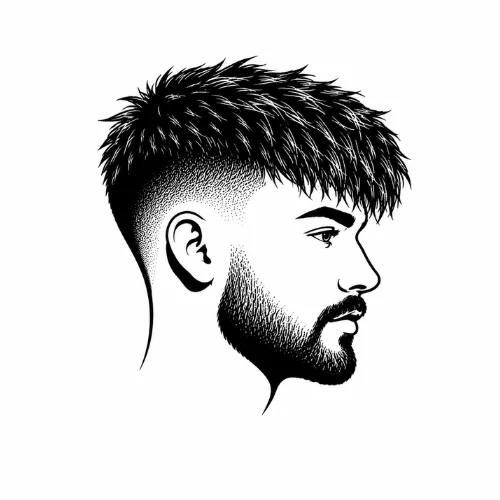
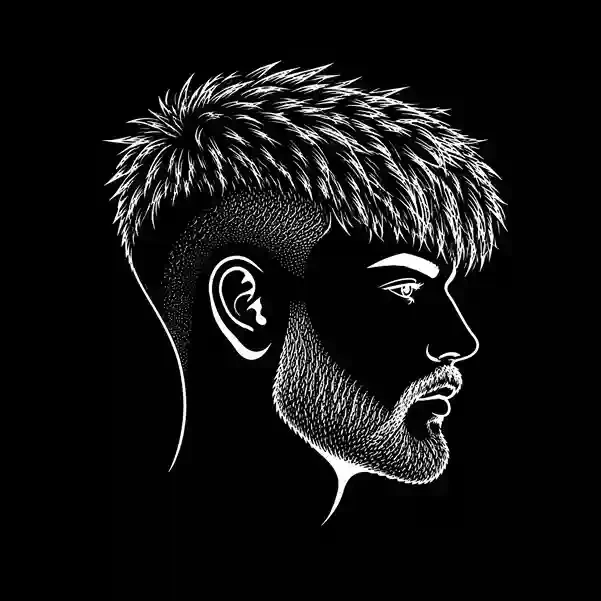
When you walk into a barbershop, one Textured Fringe variation that stands out is the taper version, combining sharp edges with natural texture and effortless style.
In this guide, you’ll learn what the cut is, how it compares to similar styles, and ten ideas to try. You’ll also get styling steps, barber tips, and maintenance advice.
What is Taper Textured Fringe?

A taper textured fringe pairs gradually shortened sides with a longer, choppy top that falls forward over the forehead. The sides blend smoothly into the neckline.
The top is cut with layers so it looks natural instead of stiff. It’s a flexible look for work, weekends, and everything between.
What is the Difference Between Taper and Low Taper Textured Fringe?

A standard taper starts partway up the sides, while a low taper begins just above the ears and around the neckline. This creates a softer transition, keeping more length on the sides for a clean, natural look.
A low taper keeps more length around the sides and back, creating a soft, natural finish. It’s the most subtle option for men who prefer a clean, polished look without a dramatic contrast between the sides and top.
What is the Difference Between Taper and High Taper Textured Fringe?

A high taper starts near the temples, gradually blending the hair into shorter lengths around the sides. This removes more bulk and creates a sharper, bolder appearance, making it ideal for men who prefer a clean, defined look.
Since the sides are cut shorter, the contrast becomes noticeable as the hair grows. You may need more frequent barber visits to maintain the sharp, clean finish and keep the taper looking fresh.
Taper Textured Fringe vs Messy Textured Fringe

A messy fringe features loose, uneven layers that create a relaxed, tousled appearance. In contrast, a taper textured fringe looks more polished because the sides are carefully blended, balancing the messy texture on top with cleaner edges for a sharper overall look.
If you prefer a relaxed, slightly undone appearance, the messy version is easier to style and maintain. However, if you want a cleaner, more refined look with defined edges, the taper is a better choice for everyday wear.
Taper Textured Fringe vs Textured Fringe Fade

A fade gradually blends the hair down to bare skin, creating a sharper contrast around the sides. A taper, however, leaves some visible hair near the ears and neckline, giving the haircut a softer, more natural finish.
Tapers offer a softer, more natural appearance, making them suitable for professional settings and everyday wear. They also grow out more gracefully, so the haircut maintains a neat look between barber visits without requiring frequent touch-ups to keep the edges clean.
10 Modern Taper Textured Fringe Haircut Ideas to Try

Unable to decide what to pick? Here are ten ways to wear a taper textured fringe, whatever your hair type or personal style. Pick the one that fits your routine and your barber’s skill.
Low Taper Textured Fringe

This is the easiest place to start. The sides stay short around the ears and nape, while the top keeps its choppy length.
Low Taper Textured Fringe Straight Hair

Straight hair holds a fringe well. A little matte paste separates the strands and adds definition.
Low Taper Fade with Textured Fringe

Here the lowest part of the sides fades to skin. That adds extra sharpness around the ears without losing the softer top.
Low Taper Fade with Textured Fringe Straight Hair

Straight strands show off the contrast between short sides and a heavy top. It’s a clean, modern look that photographs well.
Pro Tip: Ask your barber for point cutting on top to add texture and movement, and use a small amount of matte texture powder to keep straight hair from looking flat.
Mid Taper Textured Fringe

A mid taper starts around temple height. It balances clean edges with a fuller shape, which makes it a safe all-rounder.
Mid Taper Fade with Textured Fringe

Add a fade and the sides get noticeably tighter. Keep the fringe around two inches long so it still falls naturally.
Mid Taper Textured Fringe Straight Hair

Straight hair gives this cut a crisp, defined outline. Use a light product so the fringe doesn’t look weighed down.
High Taper Textured Fringe

This version starts the shortening high on the sides. It suits men who like strong contrast and a bold silhouette.
High Taper Fade Textured Fringe

The fade here is dramatic and very clean. Pair it with a longer fringe so the top doesn’t look too thin.
Blowout Taper Textured Fringe

A blowout lifts the front with a hairdryer for extra volume. This blowout taper textured fringe works best on thick hair, since it needs body to hold its height.
Blowout Taper Fade Textured Fringe

The fade keeps the sides tight, which makes the volume on top stand out. It’s a confident look with lots of impact.
Blowout Taper Textured Fringe Straight Hair

Straight hair blow-dries smoothly and holds the shape. Brush the fringe forward and finish with a light product.
Pro Tip: Use a blow-dryer with a round brush to lift the roots and create volume, then apply a lightweight styling cream to keep the fringe in shape without weighing straight hair down.
Blowout Taper Textured Fringe Curly Hair

Curls add natural volume, so less styling is needed. Use a diffuser to keep the curls soft and defined.
Mid Blowout Taper Textured Fringe

This one sits between subtle and bold. The mid taper keeps the sides neat, and the blowout gives the top a lifted shape.
Messy Textured Fringe Low Taper

If you like a relaxed finish, this is a great pick. The low taper keeps things tidy while the top stays deliberately rough.
Messy Textured Fringe with Low Taper Fade

Adding a fade sharpens the edges around the ears. The contrast makes the messy top look intentional.
Pro Tip: Work a small amount of matte clay through dry hair using your fingers to create separated, messy strands while keeping the low taper fade looking clean and sharp.
Messy Textured Fringe Mid Taper

The mid taper gives the sides a bit more shape. It’s a good pick if you want a casual look that still seems put together.
Textured Fringe Low Taper Asian

Thick, straight Asian hair holds texture and shape well. A low taper keeps the sides neat while the fringe sits naturally across the forehead.
Low Taper Textured Fringe Blonde

Blonde hair shows layers beautifully. The lighter strands catch the light and make the texture look fuller.
Textured Fringe No Taper

Skipping the taper gives a more natural, grown-out feel. The sides are scissor-cut and left slightly longer. It’s relaxed and low maintenance.
Pros and Cons: Taper Textured Fringe
Pros
Cons
How to Style a Textured Fringe
Styling takes about five minutes once you know the steps. Here’s a simple routine for a taper textured fringe.
Step 1: Start with Slightly Damp Hair
Towel-dry your hair until it’s just damp. Soaking wet hair won’t hold shape, and fully dry hair is harder to move.
Step 2: Apply a Heat Protectant
Spray a light heat protectant through the hair. It guards against damage from the dryer.
Step 3: Blow-Dry the Fringe Forward
Dry the top while pushing the fringe toward your forehead. Use your fingers or a small brush for direction.
Step 4: Add Texture with Styling Product
Rub a pea-sized amount of product between your palms. Work it through the fringe from root to tip.
Step 5: Shape and Finish the Look
Pinch and twist a few strands for definition. Step back, check the shape, and adjust as needed.
How to Style a Taper Textured Fringe with Texture Powder
Sprinkle a small amount at the roots and rub it in. Powder adds grip and lift without a greasy feel. It’s ideal for fine or flat hair.
How to Style a Taper Textured Fringe with Matte Clay
Warm a dime-sized amount in your hands first. Run it through the fringe for a strong hold and a flat, natural finish.
How to Style a Taper Textured Fringe with Hairspray
Use a flexible-hold spray at the end. Hold the can about ten inches away so the fringe stays soft, not crunchy.
Taper Textured Fringe Haircut Tutorial
How to Do a Taper Textured Fringe: Step-by-Step Guide
Step 1: Create the Initial Taper Guideline
Start by setting a low guideline around the sides and back using your trimmer. Keep the guideline close to the natural hairline to achieve a subtle, clean taper. Since this style focuses on a low taper, avoid taking the fade too high.
Step 2: Blend the Sides and Back
Use a number 1.5 guard to blend upward into the heavier hair, followed by a half guard to soften the middle section. Remove the remaining guideline with no guard, gradually opening and closing the clipper lever as needed. Use clipper-over-comb or scissor-over-comb techniques to create a smoother transition into the bulk. Repeat the same process on both sides and the back.
Step 3: Shape the Hairline and Refine the Taper
Clean up the neckline and around the ears with your trimmer, keeping the edges symmetrical but natural-looking. Use a foil shaver on the lowest part of the taper if you want a sharper contrast against the skin. Check both sides carefully and remove any dark patches or uneven areas to achieve a polished finish.
Step 4: Cut and Texturize the Fringe
Dampen the hair on top and decide how much length to remove. Use point cutting rather than a blunt, straight-across cut to create separation and a choppy, textured finish. Trim small amounts at a time, shaping the fringe and removing excess bulk around the crown and sides while preserving enough length for styling.
Step 5: Add Volume and Style the Fringe
Towel-dry the hair and use a blow-dryer to direct the fringe forward while lifting the roots for volume. Apply a small amount of texture powder or another lightweight styling product to create definition and separation. Finish by arranging the fringe into your preferred shape and checking that the top blends naturally into the taper.
Pro tip: Take a reference photo to your barber and explain how much length you want to keep on top, how low you want the taper, and whether you prefer a natural or sharper neckline. These details help you achieve a taper textured fringe that suits your hair type and personal style.
Who Does a Taper Textured Fringe Suit?
This cut works for most men. The fringe softens the forehead, while the tapered sides keep the shape clean.
Best Face Shapes for a Taper Textured Fringe
Oval, square, and long faces suit it best. Round faces can also pull it off if the top has some height. A taper textured fringe adds structure to softer features.
Best Hair Types for a Taper Textured Fringe
Straight and wavy hair are the easiest to work with. Thick hair holds the shape well, while fine hair needs a little extra product for body
Who Should Avoid a Taper Textured Fringe?
Men with very thin or fast-receding hair may find a taper textured fringe hard to wear. Very tight curls can also make the fringe tricky to shape without extra care.
How to Ask Your Barber for the Perfect Taper Textured Fringe
Walk in with a clear plan. A good barber will appreciate the detail, and you’ll avoid surprises.
What to Tell Your Barber
Say how short you want the sides and where the taper should start. Mention the fringe length and ask for choppy layers on top.
Photo References for Your Barber
Bring two or three photos from different angles. Pictures remove guesswork better than words do.
Which Taper Works Best?
Pick low for subtle, mid for balance, and high for bold. If you’re unsure, start low and go higher next time.
How to Maintain a Taper Textured Fringe
A little routine goes a long way. Keep your taper textured fringe fresh with regular trims and the right products.
How Often Should You Trim a Taper Textured Fringe?
Every three to four weeks is ideal. The tapered sides lose their shape quickly as they grow.
Which Hair Products Should you Use?
Keep a Matte Paste or clay for daily styling. Add a light shampoo and conditioner, and use texture powder when your hair feels flat.
How to Keep Your Taper Textured Fringe Looking Fresh
Wash two or three times a week to avoid stripping natural oils. Sleep on a smooth pillowcase and comb the fringe forward each morning.
Common Mistakes to Avoid When Maintaining a Taper Textured Fringe
Using too much product weighs the hair down. Skipping trims, over-washing, and picking heavy gels are other common errors.
Frequently Asked Questions
Still confused about Taper Textured Fringe, here are some commonly asked questions you maybe looking for or unclear.
What is a Textured Fringe Low Taper?
It’s a choppy, forward-falling fringe on top with sides that gradually shorten from just above the ears. It’s a subtle, easy-to-wear style.
What is the Difference Between a Low Taper and a Low Fade?
A taper leaves some length at the edges. A fade goes down to bare skin, so it looks sharper and needs more upkeep.
What Should I Tell My Barber for a Low Taper Fade Textured Fringe?
Ask for a low fade around the ears and nape, plus a choppy fringe on top. Bring a photo to make sure you’re on the same page.
Does a Receding Hairline Suit a Taper Textured Fringe?
Often, yes. A forward-falling fringe can soften a receding hairline. Very advanced recession may call for a shorter style.
How often should I Trim a taper Textured Fringe?
Plan for a trim every three to four weeks. Waiting longer makes the tapered sides look untidy.
What’s the Difference Between a Low Taper and a Mid Taper Textured Fringe?
A low taper starts near the ears and keeps more length. A mid taper starts around the temples and looks a bit cleaner.
Can Curly Hair Have a Textured Fringe Mid Taper?
Yes. Curls give natural texture, and a mid taper keeps the sides neat. Ask your barber to cut the curls while dry.
Is a Textured Fringe Good for Straight Hair?
Yes, it’s one of the easiest hair types for this style. Straight hair takes direction well and keeps its shape.
Conclusion
A taper textured fringe is the perfect balance of modern style, natural texture, and everyday versatility. Whether you prefer a subtle low taper or a sharper high taper, the right variation can complement your hair type and personal style.
Before your next barber visit, choose a reference photo, discuss the taper height and fringe length, and follow a simple styling routine to keep your cut looking fresh. With the right combination of texture, shape, and maintenance, you can make the taper textured fringe your signature look. If you want to know About Us or Contact Us, visit these pages for more information and get in touch with us.