21 Best Textured Fringe Haircut Ideas for Every Hair Type
Walk into any barbershop today and you’ll hear one hairstyle requested more than almost any other: the Textured Fringe. This choppy, piecey cut has become one of the most popular men’s hairstyles because it suits almost every hair type and pairs well with different fade styles
In this article, you’ll learn what a Textured Fringe is, how it’s different from similar styles, and explore 20 stylish haircut ideas. You’ll also find tips for styling, maintenance, and getting the perfect look from your barber.
What is a Textured Fringe?

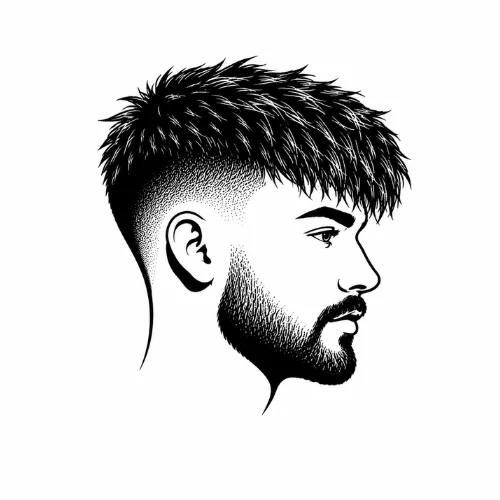
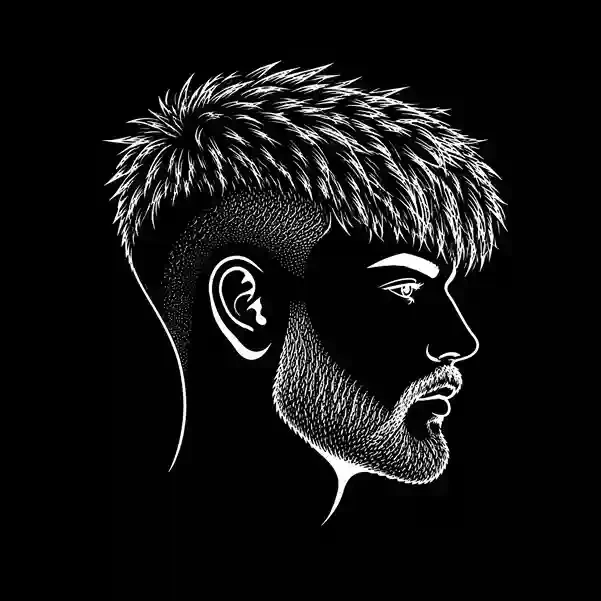
A Textured Fringe is a hairstyle where the front hair is cut using point-cutting or razor techniques to create choppy, uneven ends instead of a blunt edge. The result is a natural, layered look with plenty of movement and texture.
Barbers use texturizing shears to remove bulk while keeping the length, giving the fringe a lighter feel and movement. Unlike classic straight bangs, this haircut creates a relaxed, effortless look that pairs well with a wide range of modern hairstyles.
What Is the Difference Between the Textured and the Edgar Fringe?

The Edgar cut features a squared-off, boxy fringe with sharp, straight edges and a defined line across the forehead. It has a clean, geometric appearance. A Textured Fringe is the opposite. Instead of one clean line, the ends are cut at different lengths, so the front of the hair looks broken up rather than blocky.
What Is the Difference Between a Textured and Layered Fringe?

A layered fringe is built from multiple length levels through the top section, which adds volume and shape from root to tip. It’s about overall structure. Texturing focuses mainly on the tips of the fringe. The layers might be minimal, but the ends are chopped to create a rougher, more casual finish right at the forehead.
How Is a Textured Fringe Different from a French Crop?

The French crop is a full haircut: short, tapered sides paired with a straight, blunt fringe across the front. It’s neat and structured from top to bottom. The Textured Fringe refers to the cutting technique, while a French crop is the overall haircut. When combined, you get a French crop with a softer, choppier fringe instead of the traditional blunt, straight-across bangs.
Textured Fringe vs Textured Crop

A textured crop refers to the entire haircut—short sides, a textured top, and a fringe that blends seamlessly into the rest of the style. By comparison, the fringe is only the front section of the haircut. Think of the crop as the full outfit and the fringe as one part of it. Every textured crop includes this front section, but not every fringe is paired with a full crop underneath.
Textured Fringe vs Messy Fringe

A messy fringe is styled to look intentionally disheveled, often pushed in different directions with a matte product for a lived-in look. It’s about styling. This textured style is defined by the cutting technique itself. You can wear the same cut with a clean, polished finish or style it into a messy look—the two terms describe different stages of the styling process.
20 Stylish Textured Fringe Haircut Ideas Worth Trying

Not sure which variation suits you? Here are 20 Textured Fringe Haircut ideas, organized by fade, texture, and hair type to help you find the style that best suits your look.
Blowout Taper Textured Fringe

A blowout taper adds height and volume by lifting the hair while gradually tapering the sides. Combined with a Textured Fringe, it creates a bold, textured look with natural movement.
Styling Tip: Blow-dry the hair upward and back for volume, then apply a small amount of matte clay to add texture and definition without weighing down the fringe.
Low Blowout Taper Fringe

The taper stays close to the neckline, keeping more length on top for a balanced look. The choppy front adds soft texture and naturally frames the forehead.
Mid Blowout Taper Fringe

A mid taper starts higher on the head, creating a sharper contrast with the longer hair on top. This variation looks bolder, cleaner, and more polished while maintaining plenty of texture
Blowout Taper Fade Fringe

Adding a fade to the blowout taper creates a cleaner, sharper transition between the sides and the top. The longer front keeps the overall look balanced with soft texture.
Blowout Taper with Curly Fringe

Curly hair naturally adds volume to a blowout taper, while the choppy front lets individual curls fall freely instead of forming one heavy section.
Blowout Taper with Straight Fringe

On straight hair, this style looks cleaner and is easier to shape than on other hair types. It still keeps a soft, piecey finish while avoiding a flat or blunt appearance.
Messy Textured Fringe

The Messy Textured Fringe is styled with a matte paste and finger-combed in different directions for a relaxed, just-rolled-out-of-bed look that still feels put together.
Messy Textured Fringe Fade

Pair a skin or taper fade with a messy front to create a sharp contrast between the clean sides and the textured top. This combination delivers a relaxed, effortless style while still looking fresh and well-defined.
Messy Textured Fringe with Straight Hair

Straight hair holds this messy look surprisingly well with the right product. A light clay or paste keeps the hairstyle separated without weighing it down.
Messy Textured Fringe with Low Taper

A low taper keeps more length on top, giving you extra volume and flexibility when styling a messy look.
Taper Fade Textured Fringe

This is the most classic pairing in modern barbering: a smooth taper fades on the sides with a Textured Fringe left longer up front for movement and contrast.
Styling Tip: Ask your barber to keep the fringe slightly longer and add choppy layers for better texture and natural movement. Use a small amount of matte clay or texture powder to create definition without making your hair look greasy.
High Taper Fade Fringe

A high fade starts near the temples, creating a bold contrast with the longer hair on top. This style makes the textured top stand out even more while giving the haircut a sharp, modern finish.
Mid Taper Fade Fringe

A mid fade creates a balanced transition that looks clean without being too dramatic. It pairs well with almost any fringe length, making it one of the most versatile fade options.
Mid Taper with Straight Fringe

Straight hair paired with a mid taper creates a clean, natural flow that’s easy to style each morning. The balanced proportions give the haircut a sharp yet effortless finish.
Low Taper Fade Fringe

A low fade offers a subtle, professional look while leaving more length around the sides. The longer top remains the main focus, adding natural texture to the hairstyle.
Low Taper Textured Fringe Straight Hair

This combination is one of the lowest-maintenance Textured Fringe options on this list. Straight hair holds the low taper shape well between trims.
French Crop Textured Fringe

Swap the French crop’s usual blunt bang for a Textured Fringe, and you get a cut that’s still structured but noticeably softer and more casual up front.
Styling Tip: Apply a small amount of matte paste to the fringe and use your fingers to separate the strands. Let it air-dry for a relaxed, textured finish.
Asian Textured Fringe

Asian hair is often thick and straight, which gives this hairstyle extra body and a naturally fuller silhouette across the forehead without much added product.
Modern Textured Fringe

The modern version leans into shorter, choppier pieces with a slightly angular finish, moving away from the longer, sweeping fringes that were popular years ago.
Modern Mullet Fringe

Pairing a mullet with this style combines a longer back with a choppy, textured front for a bold, modern look. The contrast adds movement and gives the haircut plenty of personality.
Short Textured Fringe

A short Textured Fringe sits higher on the forehead, usually just above the eyebrows. It’s a lower-maintenance option that still keeps the choppy, textured finish.
Short Fringe with Low Taper Fade

Keeping the fade low draws attention to the longer top, allowing the short front to stand out naturally. The result is a clean, balanced haircut that stays sharp without looking too bold.
Textured Fringe Fade

There are countless ways to pair a fade with a Textured Fringe, and each one changes the haircut’s overall vibe.
Mid Fade Fringe

A mid fade offers a clean, balanced look without being too bold or too subtle. It blends smoothly into the longer top, making it an easy choice for everyday styling.
Low Fade Fringe

This subtle combination keeps more length on the sides for a clean, professional appearance. The longer top remains the focal point, maintaining the natural shape.
High Fade Fringe

A high fade creates a sharp contrast on the sides, while the thick, textured top adds volume and a messy finish.
Drop Fade Fringe

A drop fade curves neatly behind the ear, giving the sides a more defined shape. The longer top adds soft texture, creating a balanced finish.
Mid Drop Fade Fringe

This variation combines a mid-height fade with a gradual drop behind the ear for extra definition. The longer top frames the face naturally while adding structure.
Skin Fade Fringe

A skin fade creates the strongest contrast by blending the sides down to the skin. The longer top becomes the main focus, giving the haircut a clean, bold finish.
No Fade Fringe

Not every version needs a fade. Keeping the sides slightly tapered creates a cleaner, more natural look while allowing the longer top to remain the main focus.
Burst Fade Textured Fringe

A burst fade curves around the ear in a semi-circle rather than running in a straight line, adding a unique shape that pairs nicely with a Textured Fringe.
Low Burst Fade Fringe

Keeping the burst fade low creates a subtler effect, ideal for guys who want a hint of edge without dramatic sides.
Blowout Textured Fringe

Without a taper, a straightforward blowout gives extra height and volume across the whole top, letting the Textured Fringe fall forward with plenty of movement.
Blowout with Mid Taper Fringe

A mid taper keeps the sides clean while maintaining the signature height of the blowout. The textured top adds volume and movement, creating a balanced structure.
Wavy Textured Fringe

Natural waves add extra dimension to a Textured Fringe, since each wave catches the light differently and breaks up the front section even further..
Styling Tip: Apply a lightweight curl cream to damp hair and gently scrunch the fringe with your fingers. Let it air-dry to enhance the natural waves while keeping the texture defined.
Curly Textured Fringe

Curls and texture go hand in hand. A Textured Fringe on curly hair often needs less product, since the natural curl pattern already creates that piecey look.
Curly Mullet Fringe

This combination pairs natural curl volume with the longer length of a mullet for a bold, modern style. The curly textured top becomes the focal point, adding definition and movement.
Long Textured Fringe

A longer textured hairstyle can be swept to the side or worn straight down, and it works especially well for guys who like flexibility in daily styling.
Layered Textured Fringe

Adding layers underneath the fringe gives the whole top more shape, so the hairstyle doesn’t sit flat against the head.
Taper Textured Fringe

A simple Taper without a hard fade line offers a softer transition on the sides, letting the Fringe remain the boldest part of the cut.
Styling Tip: Use a lightweight styling cream to add subtle texture to the fringe, then blow-dry with your fingers for natural volume. Finish with a small amount of matte paste for definition
High Taper Fringe

A high taper creates more contrast while maintaining a softer transition than a fade. The longer top stands out naturally, giving the haircut a clean and modern appearance.
Low Taper Fringe

A low taper offers a subtle, professional finish while keeping more length around the sides. It’s a great choice for anyone trying this style for the first time or wanting a clean, versatile look.
Mid Taper Fringe

A mid taper offers the perfect balance between subtle and bold, creating clean contrast without looking too dramatic. The longer top stands out naturally, giving the haircut a modern, versatile finish.
Fluffy Textured Fringe

This version keeps more volume and length, brushed forward and slightly upward so the style looks soft, full, and slightly tousled.
Textured Fringe Blonde

Lightening the hair adds contrast against the skin and makes each piece of the style more visible, especially under natural light.
Korean Textured Fringe

Popularized by Korean fashion and K-pop styling, this version keeps the front fuller and straighter, usually falling just above the eyes.
Textured Angular Fringe

Instead of a straight or curved line, the fringe is cut at an angle, creating a slightly asymmetrical and edgier finish.
Textured Fringe Undercut

Pairing an undercut creates strong contrast between the shaved sides and the longer, choppier top section.
Styling Tip: Blow-dry the longer top forward and use your fingers to create separation in the fringe. Finish with a matte clay for texture and a controlled, defined finish.
Disconnected Undercut Fringe

A disconnected undercut creates a bold contrast by separating the longer top from the closely cut sides. The sharp transition makes the textured top stand out, giving the haircut a modern, edgy finish.
Skin Fade Undercut Fringe

A skin fade undercut blends the sides down to the skin, creating the strongest contrast. The longer top becomes the clear focal point, giving the haircut a bold and modern finish.
Undercut with Curl Fringe

Natural curls add volume and texture, creating a bold contrast against the closely cut sides. This combination gives the haircut a defined shape while keeping the longer top as the main focal point.
Undercut with Long Fringe

Extra length up top gives you more styling options, from swept-back to forward-falling, all while keeping the undercut sides clean.
Undercut with Short Fringe

A shorter fringe paired with an undercut is one of the lowest-maintenance versions of this style, quick to style each morning.
Textured Fringe With Beard

This textured fringe with beard pairs choppy, piece-y bangs and a low taper fade with a full beard for an effortless, natural look.
Pros and Cons: Textured Fringe
Pros
Cons
How to Style a Textured Fringe
Getting the look right at home comes down to a few simple steps. Follow these for the best results.
Step 1: Start with Damp Hair
Towel-dry your hair until it’s damp rather than soaking wet. Slightly damp hair is easier to style and helps distribute products evenly for a more natural finish.
Step 2: Apply a Styling Product
Rub a small amount of clay, paste, or styling cream between your palms, then work it evenly through damp hair. Applying product from the roots helps add texture and hold throughout the hairstyle.
Step 3: Blow-Dry While Shaping the Fringe
Blow-dry while lifting the roots with a round brush, directing the hair forward and slightly downward. This helps set the shape and adds natural volume for an effortless finish.
Step 4: Add Texture and Movement
Once your hair is dry, use your fingertips to separate and define individual sections. This creates a natural, piecey finish with added texture and movement.
Step 5: Lock the Style in Place (Optional)
Finish with a light mist of hairspray if you need extra hold throughout the day. While optional, it helps keep the style in place during wind, humidity, or long hours.
How to Style a Textured Fringe with Hairspray
Hold the spray about 10 inches away and apply a light, even mist after styling. A flexible-hold hairspray keeps the look in place without making the hair feel stiff or crunchy.
How to Style a Textured Fringe with Clay
Clay offers a strong, matte hold that’s perfect for shorter styles. Work a small amount through dry hair to define each piece and create a textured finish.
How to Style a Textured Fringe with Sea Salt Spray
Spray onto damp or dry hair, then scrunch gently with your fingers to build natural texture. Sea salt spray adds volume and a relaxed, beach-inspired finish without weighing the hair down.
How to Style a Textured Fringe with Texture Powder
Sprinkle a small amount at the roots and massage it in. Texture powder adds volume without weight, making it ideal for fine or thin hair with a textured style.
How to Style a Textured Fringe Without Products
Simply towel-dry your hair and finger-comb it forward while it air-dries. It won’t last as long, but it’s a quick way to achieve the look on lazy days.
Textured Fringe Haircut Tutorial
How to Do a Textured Fringe: Step-by-Step Guide
Step 1: Leave Enough Length on Top
Keep enough length on the top and crown before creating this style. Extra length helps add movement, volume, and a soft, natural-looking finish.
Step 2: Clean Up the Fringe
Trim split ends, uneven sections, and stray hairs from the fringe. A clean foundation makes the texturizing process easier and gives the haircut a sharper overall appearance.
Step 3: Add Texture Using the Slithering Technique
Use the slithering (slide-cutting) technique with shears held at a 45-degree angle. This removes excess weight while creating natural texture, separation, and movement without sacrificing much length.
Step 4: Reduce Bulk Without Removing Too Much Length
Thin out heavy areas instead of cutting the fringe much shorter. Removing bulk helps the hair fall naturally while maintaining the full, textured look.
Step 5: Create Volume and Effortless Style
Lightly separate and lift the strands after texturizing to build volume. This prevents the fringe from looking flat and gives it a more modern look.
Step 6: Style the Finished Textured Fringe
Apply a lightweight matte styling product and work it through the fringe with your fingers. Tousle the front slightly to enhance texture and achieve a relaxed, natural finish.
Who Does a Textured Fringe Suit?
Gaya ini benar-benar salah satu potongan rambut pria yang paling fleksibel, tetapi ada beberapa faktor yang dapat membuat tampilannya terlihat lebih menarik.
Best Face Shapes for a Textured Fringe
Oval, square, and heart-shaped faces tend to suit a Textured Fringe especially well, since the broken, piecey line softens strong angles without hiding them completely.
Round faces can wear it too, especially with added height on top to elongate the face and balance out the fringe.
Best Hair Types for a Textured Fringe
Thick, straight, and wavy hair all support this style well, as the natural body helps create movement without requiring much product.
Curly hair also works beautifully, often needing less styling since the curl pattern already provides that lived-in texture on its own.
Who Should Avoid a Textured Fringe?
Very fine, thin hair can struggle to hold the piecey shape without heavier product, since there isn’t much natural volume to work with.
Guys with a receding hairline may also want to talk to their barber first, since a fringe can sometimes draw more attention to that area.
How to Ask Your Barber for the Perfect Textured Fringe
Clear communication makes all the difference between a haircut you love and one that misses the mark entirely.
What to Tell Your Barber
Mention that you want a Textured Fringe specifically, not just a regular bang. Ask for point-cutting or razor work at the ends to create that choppy, broken finish.
Photo References for Your Barber
Bring two or three photos that show the exact length and shape you want. This removes guesswork and helps your barber match your desired look precisely.
Which Fade or Taper Works Best?
If you’re unsure, ask your barber to recommend a fade based on your face shape and hair density. They’ll know which option suits your overall look best.
What Length Should You Ask For?
Decide roughly where you want the fringe to sit — above the brow, at the brow, or covering it slightly — and communicate that clearly before cutting begins.
How to Maintain a Textured Fringe
A little regular maintenance keeps your Textured Fringe looking fresh between haircuts. Simple touch-ups and the right styling routine help maintain its shape and texture.
How Often Should You Trim a Textured Fringe?
Most guys need a trim every two to four weeks. Since this style depends on a specific shape, it can lose its structure faster as the hair grows out.
Which Shampoo Should You Use?
A gentle, sulfate-free shampoo keeps hair healthy without removing the natural oils that help this style maintain its shape and shine.
How to Keep Your Textured Fringe Looking Fresh
Wash your styling products out most nights and apply fresh products each morning. Product buildup is one of the quickest ways to make this style look flat and greasy.
Common Mistakes to Avoid When Maintaining a Textured Fringe
Using too much product is the biggest one — it weighs the fringe down and hides the texture instead of enhancing it.
Skipping regular trims is another common issue, as this style can quickly lose its shape and start looking overgrown instead of intentional.
Frequently Asked Questions
Still have questions about the Textured Fringe Haircut? The questions below cover the most common concerns, including hair type, face shape, hair length, and styling.
Can You Get a Textured Fringe with Straight Hair?
Yes. Straight hair works well with a textured hairstyle, especially when paired with a matte paste, clay, or texture powder to create definition and hold.
Can You Get a Textured Fringe with Fine Hair?
Yes. Keeping the fringe slightly shorter and using lightweight styling products helps add texture without weighing fine hair down.
Can You Style a Wavy Textured Fringe Without Heat?
Yes. Let your hair air-dry with a sea salt spray or lightweight styling cream to enhance your natural waves without using heat.
Does a Textured Fringe Work with an Oval Face?
Yes. Oval faces suit almost every variation of textured hairstyles thanks to their naturally balanced proportions.
Does a Textured Fringe Work on a Round Face?
Yes. Adding height on top and keeping extra length at the front helps create a more balanced, elongated appearance.
How Long Should Your Hair Be for a Textured Fringe?
Aim for at least 2 to 4 inches (5 to 10 cm) on top. This provides enough length for texturizing and gives you greater styling flexibility.
How Do I Know if the Textured Fringe Haircut Will Suit Me?
A textured hairstyle works best on straight, wavy, or thick hair and suits most face shapes. If you’re willing to spend a few minutes styling it each day, it’s a great choice.
Is a Textured Fringe High Maintenance?
Not really. A textured Hairstyle generally requires low to moderate maintenance, a few minutes of styling each day, and a trim every 3 to 4 weeks to keep its shape.
Conclusion
The Textured Fringe has earned its popularity for good reason. It’s flexible enough to pair with almost any fade, works across nearly every hair type, and gives you a look that feels current without requiring hours of styling each morning.
Whether you choose a taper fade, a messy finish, or an undercut, the textured cut always stands out with its fade and choppy layers. With the right cut, simple styling routine, and regular trims, it’s a hairstyle that’s easy to maintain while staying modern and versatile. If you’d like to learn more about our approach and the purpose behind our blog, visit our About Us page, to get in touch with us.